Step 01
Spec day
The look is locked and written down on two or three people first, before a single slot is published.
Political portraits — 02
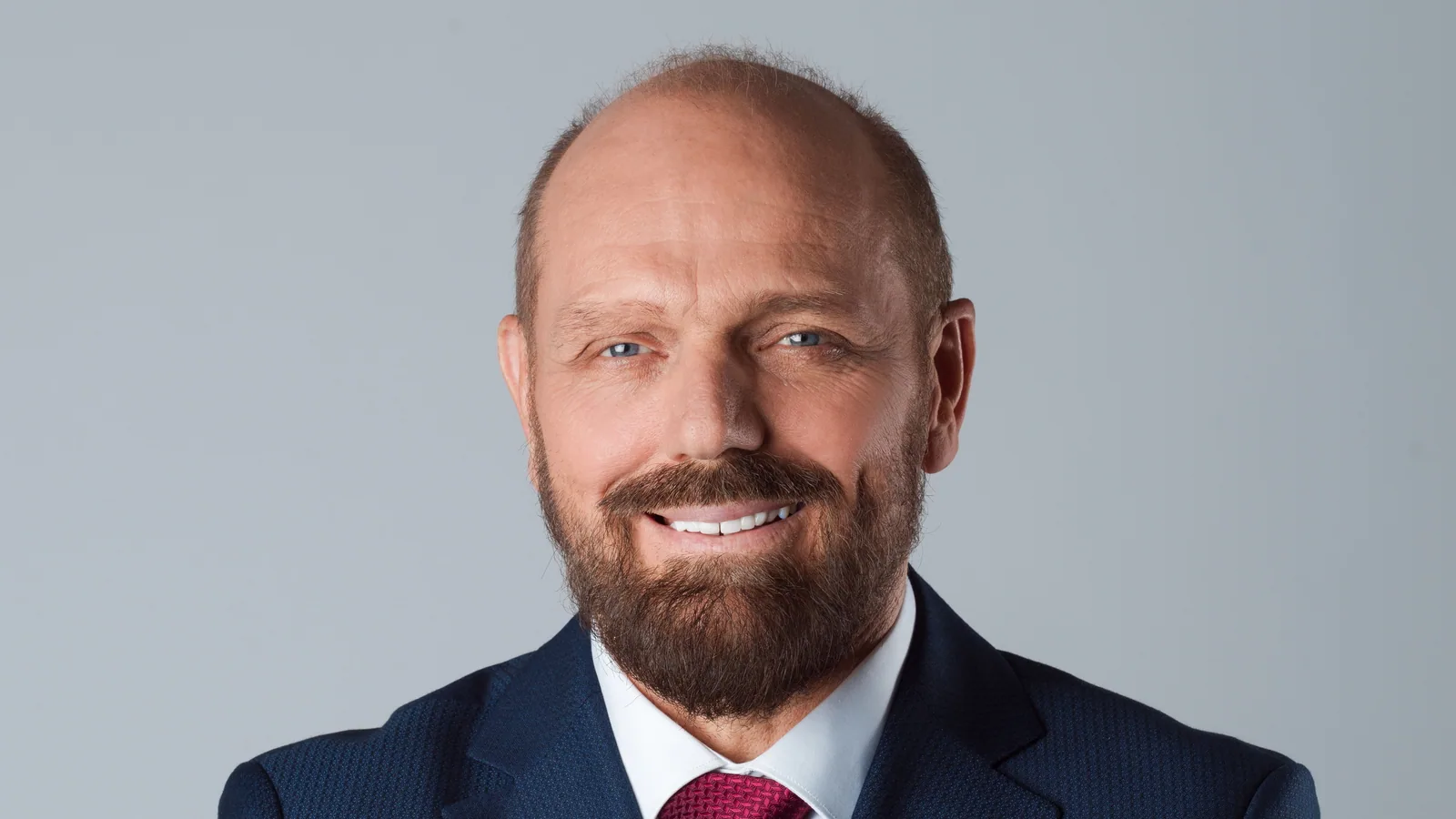
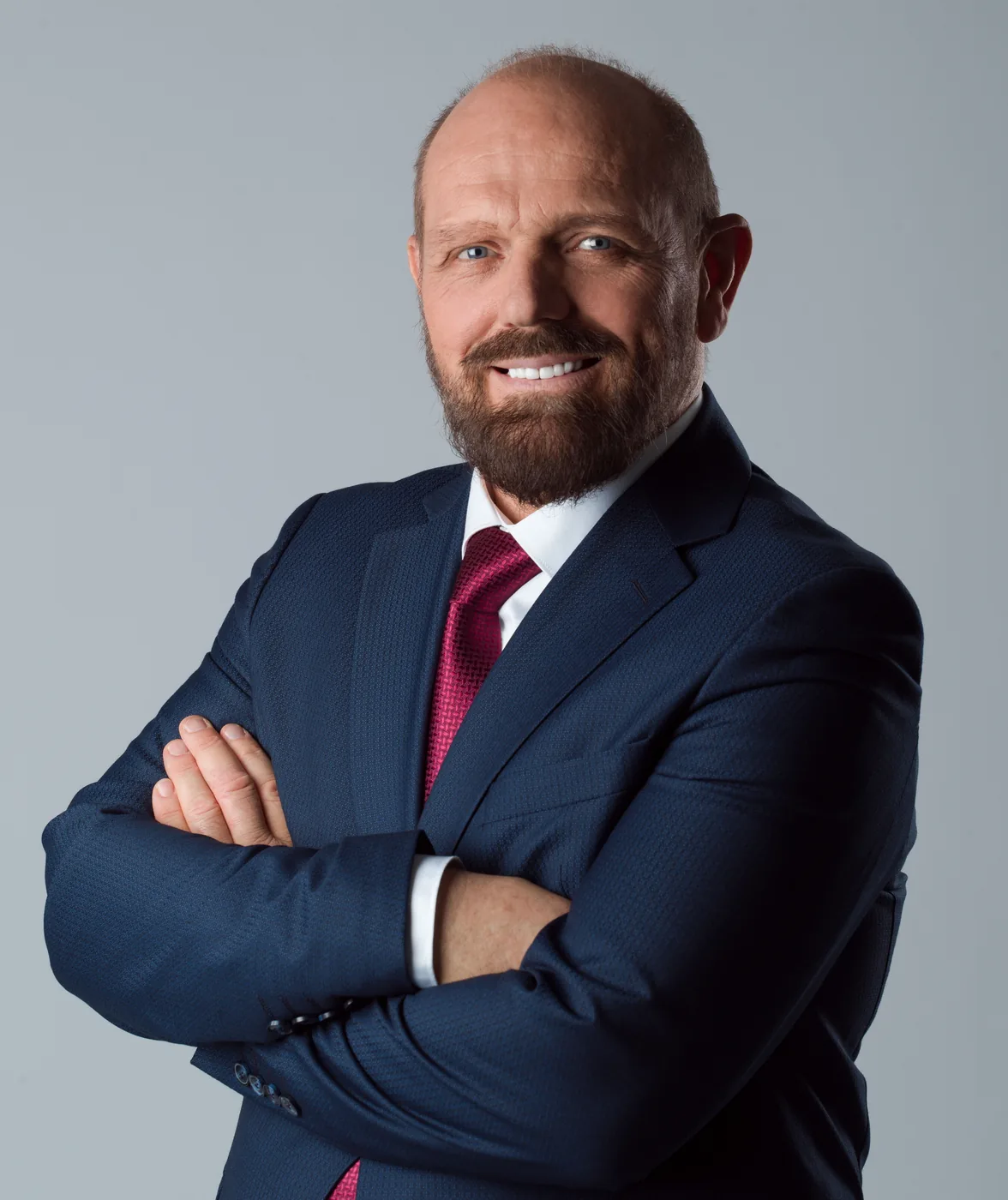
A political headshot is a corporate headshot with a deadline, a licence and a hundred colleagues who have to match it. We run candidate lists as a scheduled programme with a stated people-per-day rate — not as a hundred separate bookings that drift apart.
35–45 people per day ~70 on two stations From €90 / person
The hard part of a slate is never the photography. It is that eleven towns, six weeks and four hundred appointments will produce four hundred slightly different portraits unless something stops them. What stops them is a written spec, one named operator for the whole programme, and a call sheet with a slot per person that everybody plans against. We book the room, publish the schedule, photograph to the stated throughput, and hand back one structured archive with every candidate matched to the same colour and contrast standard. Late additions get photographed against the same written spec weeks later and sit beside the rest without a visible seam.
One station
35–45 / day
Two stations
~70 / day
Per person
8–10 min
From
€90 / person
How a headshot day runs
01
Your list becomes a schedule with a named slot per person, so nobody loses a working day waiting for a turn that never comes.
02
35 to 45 people per production day at eight to ten minutes each on one lighting station. A second station and operator raises that to roughly 70.
03
The same person shoots the whole programme. Consistency is a human habit before it is a technical spec, and swapping operators mid-slate shows.
04
The 3:4 frame the electoral paperwork usually asks for, delivered alongside every other crop so nobody is re-exporting at the deadline.
05
A mirror, a lint roller, a steamer and someone who will tell a candidate their collar is twisted before the frame is taken rather than after.
06
Filed to your naming convention, one folder per person, so your comms team can find a face without asking us.
The smart layer
A four-hundred-person slate produces thousands of frames with no reliable link between a file number and a name. Sorting that by hand is a week of work and the single most common place a slate goes wrong.
Faces are detected and embedded, then frames are grouped by person automatically — so the day comes off the card as per-person folders rather than one undifferentiated dump.
Groups are matched to the call sheet, so folders carry the names your team actually uses and your naming convention rather than ours.
Grouping is an assist, not an authority. The set is reviewed against the call sheet before delivery — a misfiled candidate is a worse failure than a slow one.
Step 01
The look is locked and written down on two or three people first, before a single slot is published.
Step 02
The list becomes a schedule — venue, slot, per-person timing, and a people-per-day rate your office can plan the campaign around.
Step 03
Consecutive days or a regional roadshow. The spec sheet is re-set every morning, measured rather than remembered.
Step 04
Frames grouped by person, one selection each, colour-matched across the whole slate, cut to every crop and filed to your convention.
Per person
Across the programme
Rights & paperwork
Every frame on this page is our own studio reference work, photographed to demonstrate the standard. No client campaign material appears here, or anywhere else on this site.
Between 35 and 45 on one lighting station at eight to ten minutes each. A second station with a second operator raises that to roughly 70. Larger slates run as consecutive days or as a regional roadshow, with the schedule agreed before the first day.
They go into the catch-up clinic, photographed against the same written spec. That is the whole reason the spec is written down rather than remembered — a person shot six weeks late sits beside the rest without a seam.
No. The studio is in Sarajevo, but a mobile station travels to regional offices and needs roughly three by four metres and a power socket. Priced from €450 per day.
Eight ways into the same standard. Most engagements combine two or three.
01
We photograph two or three people first and lock the look with you before anybody else is scheduled. It becomes the written spec for the entire programme.
05
The modifiers and heads used on the spec day travel with the station. Substituting a different modifier and matching “by eye” is exactly how a slate stops matching.
08
Late additions photographed against the day-one written spec — the same measurements, the same background, the same operator — so no one can tell who was added late.
€280 at 1–19 people, €220 at 20–59, €140 at 60–149, from €90 at 150 or more. Second station and operator from €600 per day. Minimum engagement €1,400.
See the full rate cardHeadcount, regions and the deadline. You will have a call sheet structure and a fixed per-person price within one business day.