Step 01
Brief & clearance
We agree the shot list with the service's communications team, plan positions with the exercise director or incident command, and complete any safety briefing before the day — not on arrival.
Industrial · Emergency & Frontline
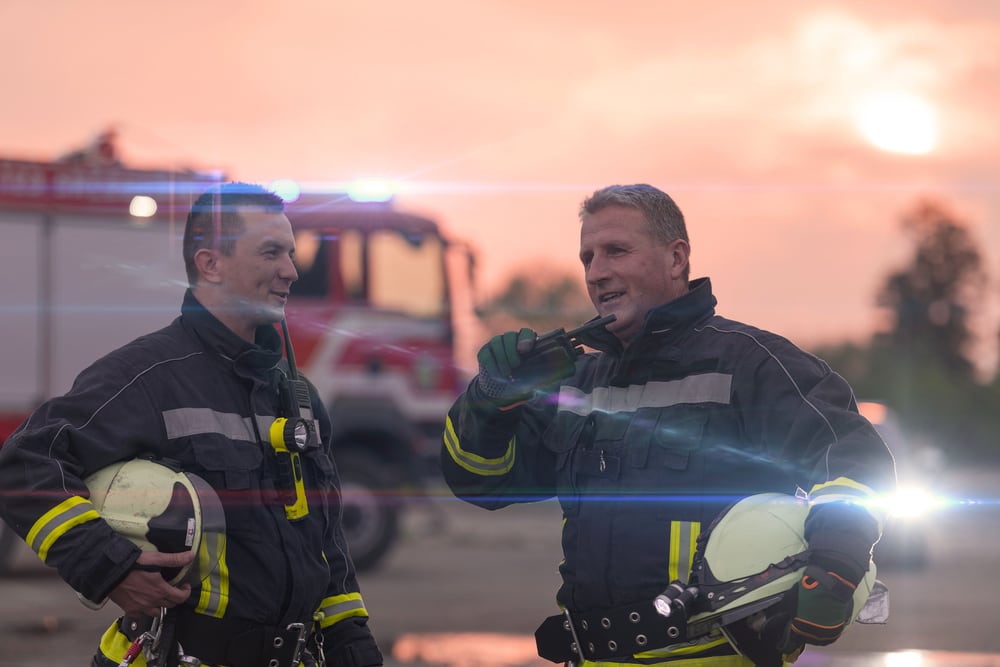
Fire, rescue, emergency medical and public-safety teams — documented on scene, in training and at the station, for recruitment, public communications and press.
You receive frontline imagery produced with the discipline the work demands — a crew that follows the incident commander's instructions, respects casualties and crews alike, and still brings back cinematic frames. Suitable for recruitment campaigns, public communications, annual reports, training materials and press.
Emergency services Frontline Public sector
RelatedHealthcare & Medical·Editorial
01
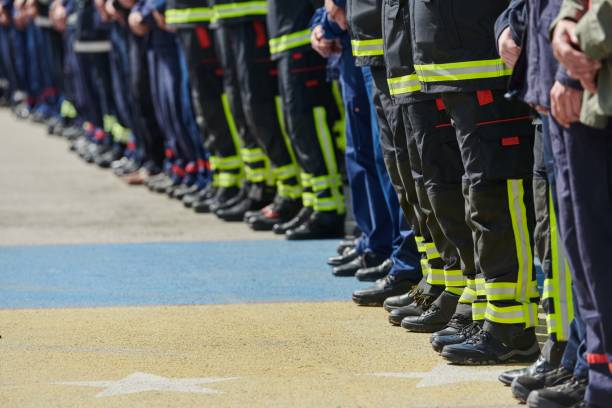
Fire, rescue and emergency medical crews in their element — on the appliance, on the drill ground and on scene. Authentic, technically accurate, never staged beyond what the service itself stages.
02
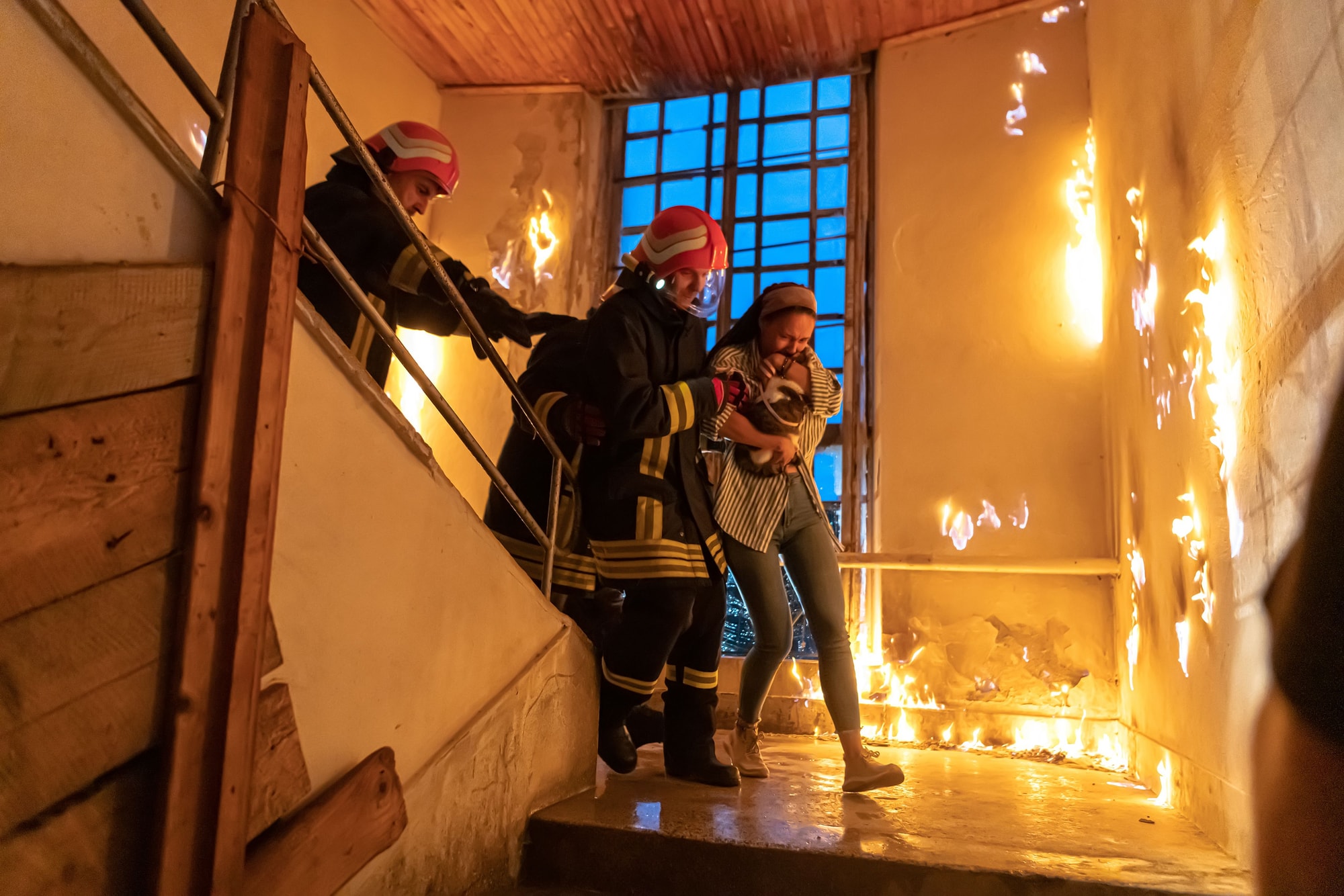
Live-fire drills, evacuation exercises and simulated rescues photographed from inside the scenario — the safest way to produce dramatic, publishable frontline imagery.
03
Stations, vehicles, kit and control rooms — the infrastructure behind the response, documented for procurement, public communications and annual reporting.
04
Portrait and campaign imagery for recruitment drives and prevention campaigns — real crews, real kit, directed to brand standard.
Frontline work is shot to the same on-site safety standard as our Industrial & Manufacturing service — book either independently.
Industrial & Manufacturing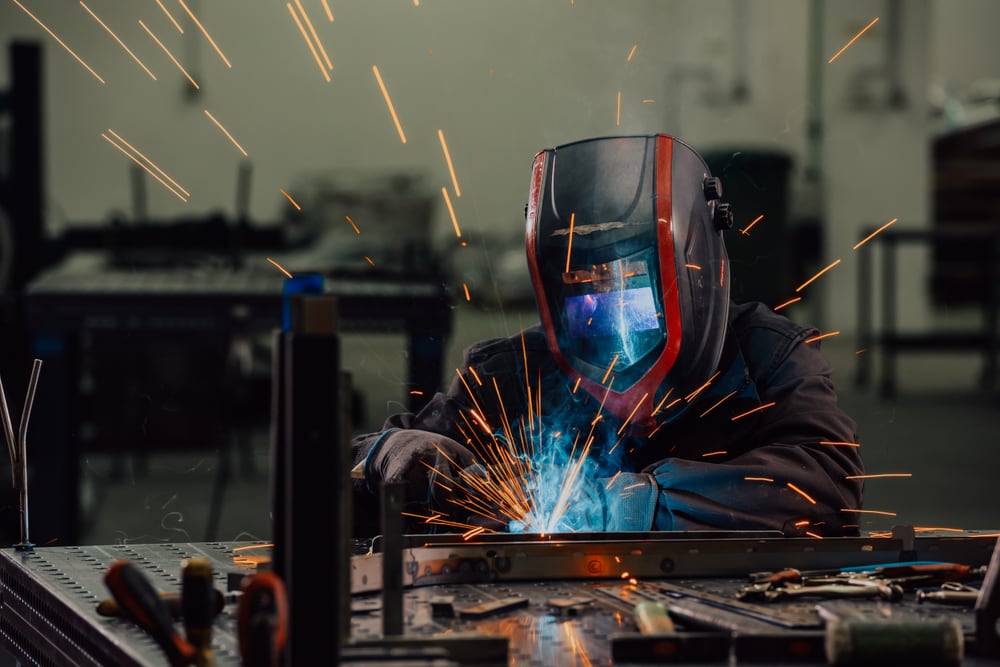
Common questions
Most frontline imagery is produced during planned exercises, drills and training scenarios with real crews — where nothing we do can interfere with an operation, and the dramatic frames can be built deliberately. Live-incident coverage is possible only with command approval, from positions the incident commander clears, and never at the expense of the response.
The same way we handle industrial sites: briefing and access planning before the shoot day, PPE appropriate to the environment, and a crew that follows the host organisation's safety officer at all times. Heat, smoke and moving vehicles are planned for, not improvised around.
With dignity first. Staged scenarios use professional role-players with model releases. In documentary settings we do not publish identifiable casualties or patients — consent is managed by the commissioning organisation, and sensitive frames are reviewed together before anything is released.
Recruitment campaigns, public communications and prevention campaigns, annual reports, training materials and press. Files are delivered retouched and colour-graded in the formats each channel requires, with a full commercial licence.
Step 01
We agree the shot list with the service's communications team, plan positions with the exercise director or incident command, and complete any safety briefing before the day — not on arrival.
Step 02
Crews, kit and scenarios photographed from cleared positions in full PPE — close enough for real frames, never close enough to interfere.
Step 03
Selects are culled, retouched and colour-graded through the .shock Suite pipeline; sensitive frames are reviewed with you before release, then everything is delivered in the formats your channels require.
Formats
Turnaround
Cleared for use
Studio in Sarajevo, shooting worldwide. Send the brief and we'll reply within one business day.