Step 01
Register review
We look at what already exists on the wall or in the system, and agree whether the new work matches it or resets it. Both are valid; picking accidentally is not.
Political portraits — 04
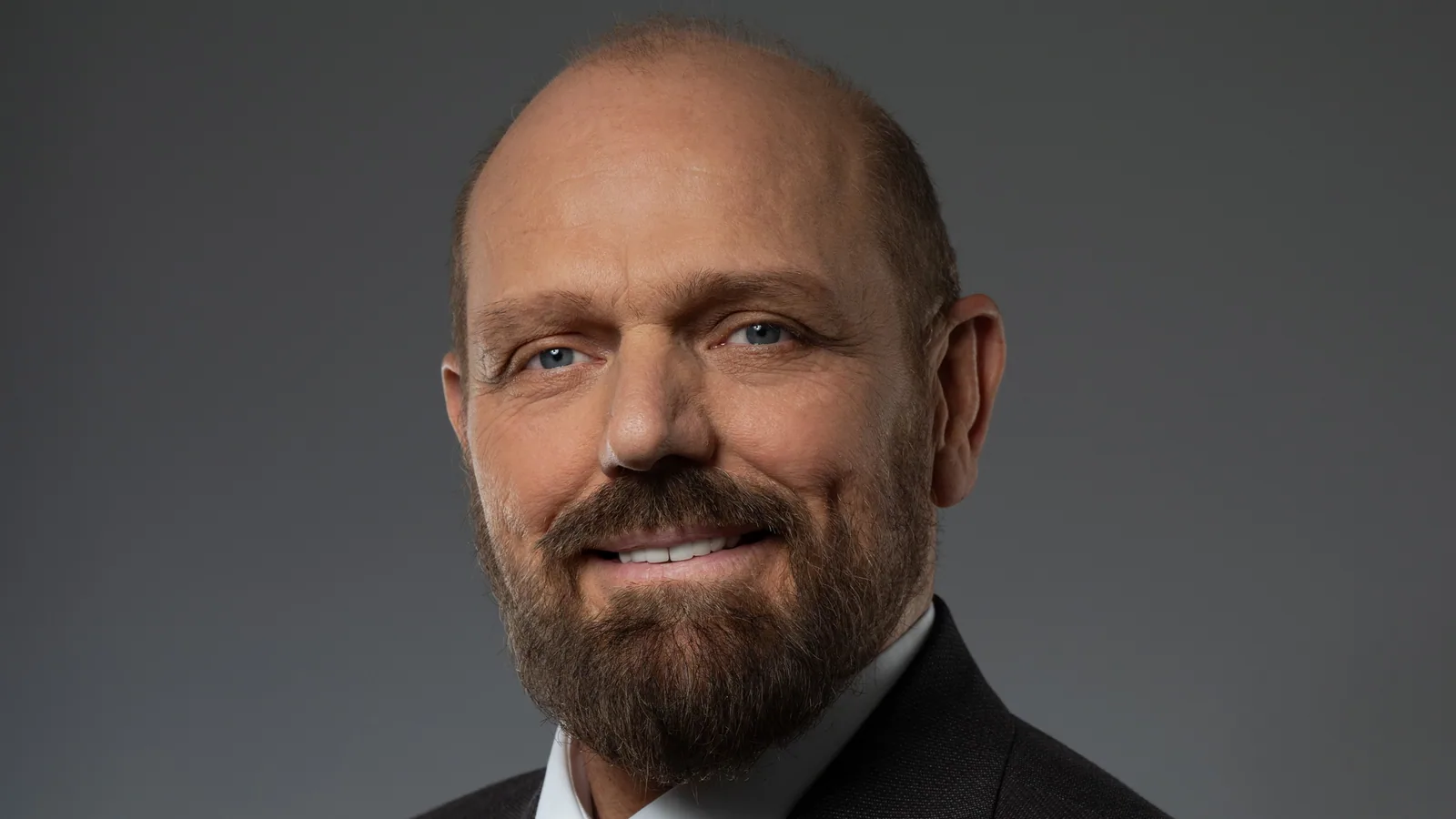
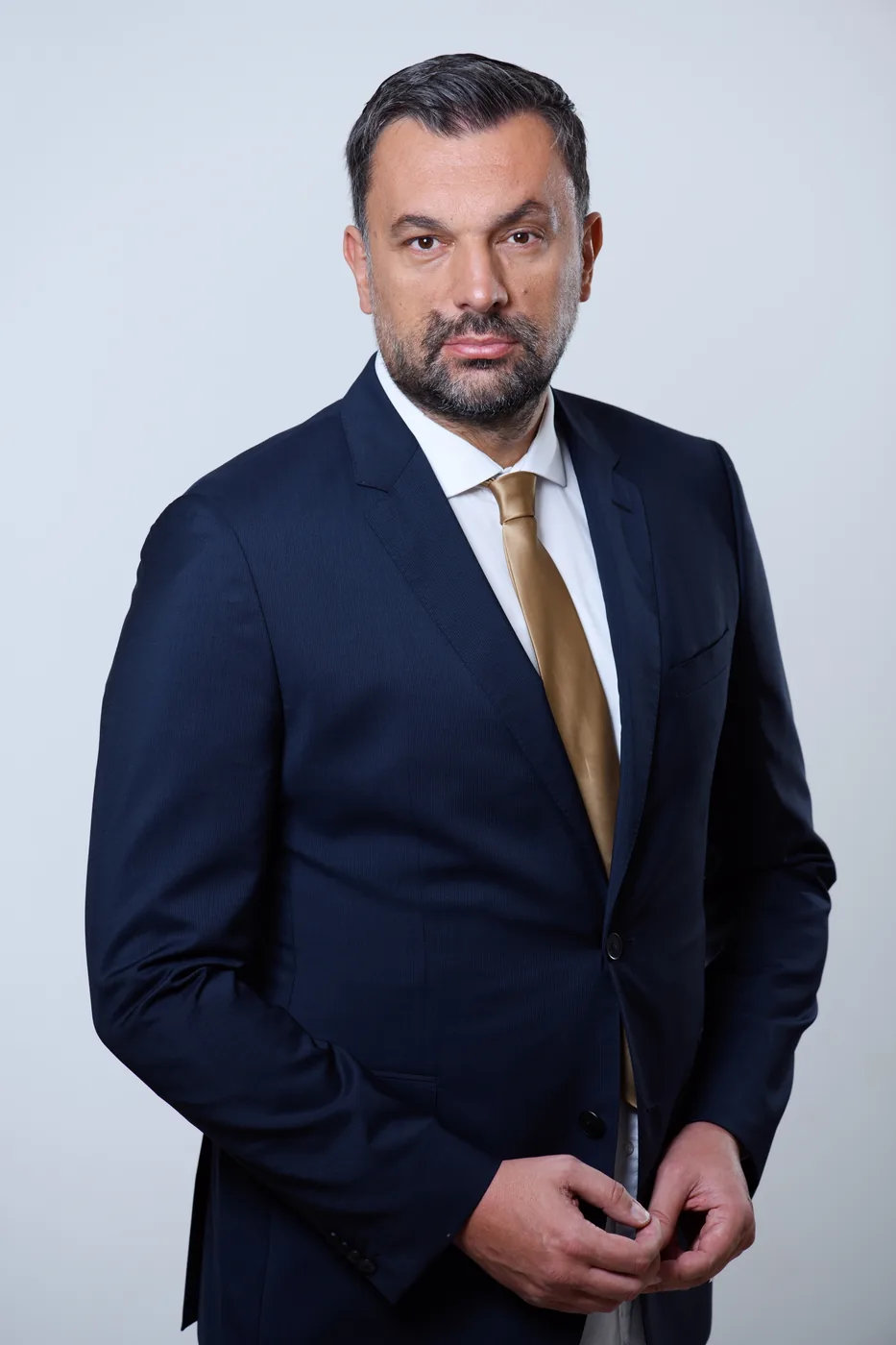
Office-holders, ministry pages, institutional registers and anything that will sit next to a coat of arms. The neutral register, shot to a written spec between cycles — and archived, so the person who replaces them in three years still matches the wall.
Institutional mid register Written spec archived Between cycles
Institutional portraiture has a different failure mode to campaign work. Nobody notices a good one; everybody notices the wall where four ministers were photographed by four people in four different rooms. The register is deliberately quiet — controlled grey with a soft falloff, minimal styling, and lighting chosen to age slowly rather than to look current. The work happens between cycles, at the pace that suits an institution rather than a campaign deadline. What makes it hold together over years is not the session but the archive: the written spec is kept with your file, so a successor photographed years later is shot against the same measurements and drops into the sequence without a reshoot of everyone else.
Register
Institutional mid
Typical group
1–19 people
Archive
from €300 / yr
From
€280 / person
What institutional work needs
01
Controlled mid-grey with a soft falloff — the look that sits beside a coat of arms without competing with it, and the one that ages the slowest.
02
Ministers, directors, board members and department heads photographed against one spec, so the corridor reads as one decision rather than a decade of them.
03
The formal frame for the register and a slightly warmer working frame for the website, from the same session — institutions need both and rarely budget for two visits.
04
No campaign styling, no party colour in the frame, nothing that dates the portrait to one election. It has to still be usable after a change of government.
05
The measured spec is stored with the file so a successor is photographed against the same numbers years later, not against somebody’s memory of them.
06
The formats institutional systems actually ask for — 3:4 for registers and print listings, 1:1 for directory pages, 16:9 for broadcast and screens.
The smart layer
The reason institutional walls stop matching is almost never the photographer. It is that nobody wrote down what was done, so three years later the next session starts from scratch.
Light height and distance, modifier, power, lens, subject distance, background and exposure — recorded as numbers, kept with your file, and handed to you as well.
A new session is checked against the original reference frame before anyone leaves, so a drift in exposure or background density is caught on the day rather than on the wall.
Portraits filed against your own register structure and naming, so your own systems can find a face without a request to us.
Step 01
We look at what already exists on the wall or in the system, and agree whether the new work matches it or resets it. Both are valid; picking accidentally is not.
Step 02
Studio or on site at the institution. Formal and working variants from one visit, against the agreed measured spec.
Step 03
Files delivered to your register convention, the measured spec handed over, and the archive retained on your instruction so successors can be matched later.
Per office-holder
Across the institution
Continuity
Every frame on this page is our own studio reference work, photographed to demonstrate the standard. No client campaign material appears here, or anywhere else on this site.
Usually, within limits. We can measure an existing frame and reproduce its register closely — background density, key direction, crop and colour. What we cannot do is reproduce a lens and body we do not have, so an exact match is not something we will promise before seeing the reference.
Either. A mobile station needs roughly three by four metres and a power socket, which most institutions can find. On-site work is priced from €450 per day on top of the per-person rate.
Yes. Separate storage, an NDA before the first session, no portfolio use, and an agreed purge date. Institutional work is treated exactly as political work is.
Eight ways into the same standard. Most engagements combine two or three.
01
We photograph two or three people first and lock the look with you before anybody else is scheduled. It becomes the written spec for the entire programme.
02
Your list becomes a schedule with a named slot per person, so nobody loses a working day waiting for a turn that never comes.
07
The detector returns a face box and landmarks; each crop is computed from the eye line at a face-to-frame ratio set per output shape, so every format frames the head consistently.
€280 at 1–19 people, €220 at 20–59. Minimum engagement €1,400. Archive and re-licence from €300 per year.
See the full rate cardTell us how many office-holders and whether there is an existing register to match. We will reply within one business day.